.jpg?w=684&h=912)
By Judyvein Cheng, CPCN, BRNC
Certified pet nutritionist in Singapore
QUICK ANSWER
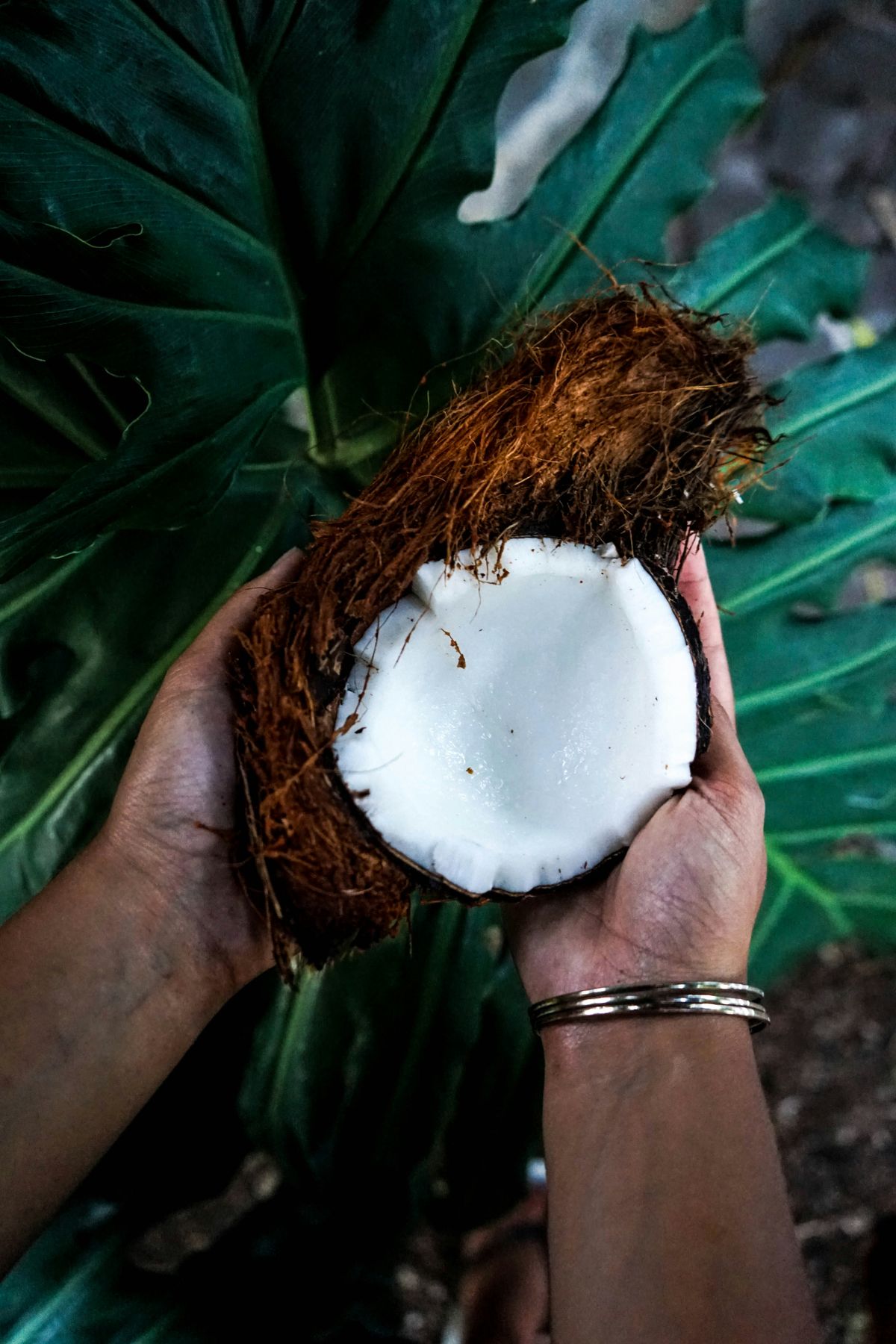
Coconut oil can help soothe allergy symptoms in dogs and cats, inside and out. Applied to the skin, it calms itching and protects irritated areas. Fed daily, it supports the skin, coat and gut, where much of the immune system sits. It works best alongside finding and reducing what your pet is reacting to.
Allergies in Singapore aren't just seasonal
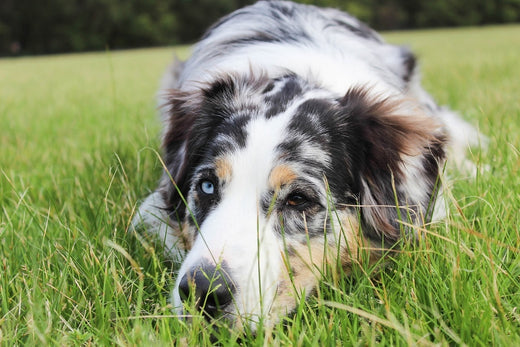
In countries with seasons, allergies often flare in spring and summer. In Singapore, the heat and humidity mean allergens are around all year: dust mites, mould, grass and pollen. Many pets react on and off throughout the year rather than in one season.
Signs your pet may have allergies
- Constant scratching, licking or chewing, especially the paws
- Red, irritated or flaky skin
- Hair loss or hot spots
- Recurring ear infections or head shaking
- Watery eyes or sneezing
- Rubbing the face on furniture or the floor
How coconut oil helps
On the skin
Soothes itching and calms redness, protects irritated skin and supports the skin barrier. Its natural antibacterial and antifungal properties help stop scratched skin becoming infected.
From the inside
Supports skin and coat health, and a healthy gut and immune response.
How to use it
Topically: clean the itchy areas with JOOF Hygiene Water, then massage in a thin layer of coconut oil. After walks, wipe your pet's paws with Hygiene Water to remove allergens, then apply a little coconut oil to soothe them. For bad flare-ups, try the skin-soothing spa mask from my guide on 11 ways to use coconut oil.
In food:
Recommended amount: 1 teaspoon per 4.5kg (10lb) of body weight daily, mixed into food.
First time? Start with about ¼ of that and build up over 2 weeks. For sensitive pets, start with just 2–3 drops.

FROM MY EXPERIENCE
Wangcai had more environmental and seasonal allergies than BeanBean, and the coconut oil spa mask worked perfectly for him.
When he scratched himself until he bled, I'd clean the area with JOOF Hygiene Water and then apply coconut oil. Reapplying it 2–3 times a day helped most of the time.
Look at the root cause too
Coconut oil soothes symptoms, but lasting relief comes from reducing what your pet reacts to and supporting their gut and immunity:
✓ Wipe paws and coat after walks
✓ Wash bedding often and keep humidity down at home
✓ Look at diet, since food sensitivities can look just like environmental allergies. A pet intolerance test can help you find out which foods your pet reacts to.
✓ Support the gut, where much of the immune system lives
Frequently asked questions
Is coconut oil an alternative to steroids for allergies?
For mild allergies, many pet parents find coconut oil and good hygiene are enough. For severe flare-ups, it can work alongside other care. It's a natural option worth trying, and you can decide what's right for your pet.
How long until I see a difference?
Topically, it can soothe itching within days. When fed, give it a few weeks to support the skin and coat from within.
My pet's allergies keep coming back. What should I do?
Recurring allergies usually point to something deeper, like diet or gut health. A pet intolerance test is a good place to start. Our PawConsult looks at the root cause.
Which coconut oil should I use?
Choose an organic, cold-pressed virgin coconut oil that's also therapeutic grade. Not every organic, cold-pressed virgin coconut oil is. I recommend CocoTherapy Organic Virgin Coconut Oil, which is therapeutic grade.
Shop this article
This article is for educational purposes and isn't a substitute for veterinary care. If you're concerned about your pet's health, please seek professional advice.
ABOUT THE AUTHOR
Judyvein Cheng, CPCN, BRNC
Judyvein is a Certified Professional Canine Nutritionist and Certified Raw Nutrition Coach for Cats & Dogs, and the founder of JOOF Holistic Pet. Her journey began with her Frenchie, Wangcai, and today she helps pet parents in Singapore take a root-cause approach to their pets' health.
RELATED READING